

Mortgage Refinance Rates Today in Nebraska and What They Mean for You
Mortgage refinance rates change every day. If you are a homeowner in Nebraska, understanding what is happening in the market can help you decide if now is the right time to refinance.
Whether you live in Lincoln, Omaha, or a smaller community, refinance rates affect your monthly payment, your long term savings, and your overall financial plan. Here is what you need to know about refinance rates today and what they mean for you.
Understanding Mortgage Refinance Rates in Nebraska
A refinance replaces your current home loan with a new one. The new loan pays off the old balance. The new interest rate and loan term determine your future payment.
Refinance rates are influenced by the same market forces as purchase rates. However, pricing can differ slightly depending on loan type, equity position, and risk factors.
Rates are based on daily market averages and vary depending on credit profile, loan type, equity position, and overall market conditions. All loans are subject to underwriting approval.
How Refinance Rates Are Determined
Mortgage rates are tied closely to the bond market. When investors buy mortgage backed securities, rates tend to improve. When they sell, rates usually rise.
Inflation data, Federal Reserve policy decisions, and employment reports all influence rate movement. While the Federal Reserve does not directly set mortgage rates, its actions affect the broader interest rate environment.
For daily mortgage rate trends, many professionals monitor data from MortgageNewsDaily at https://www.mortgagenewsdaily.com. This source tracks real time rate movement rather than weekly survey averages.
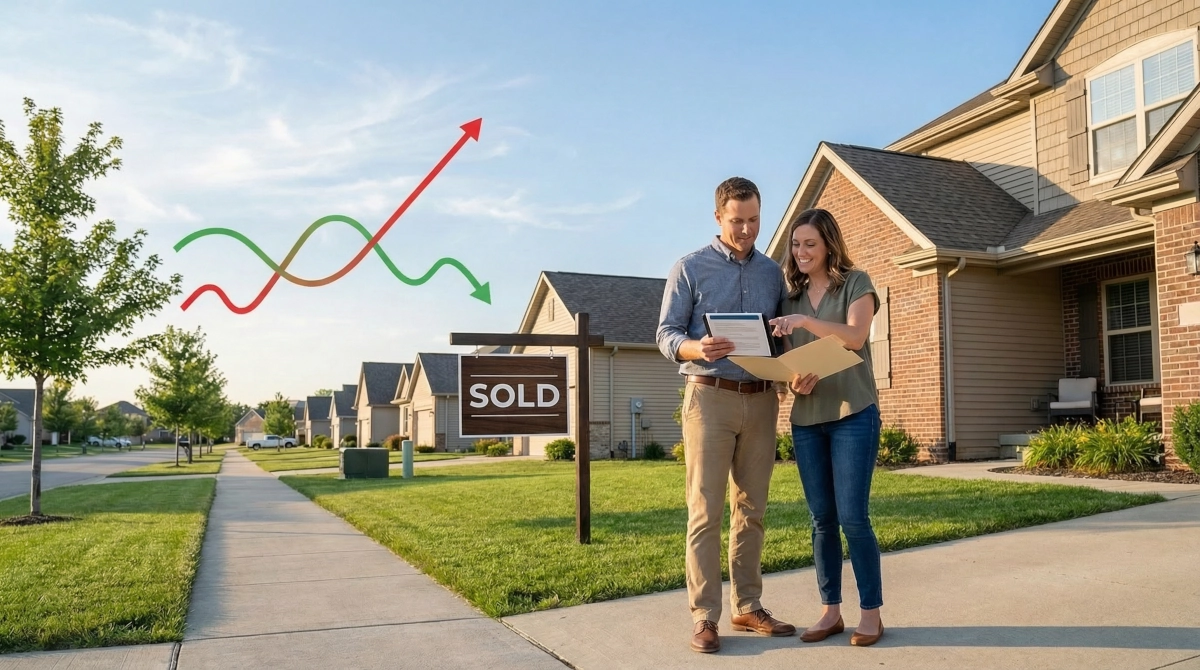
Because rates move daily, Nebraska homeowners may see changes even within the same week. That is why it is important to focus on overall trends instead of a single headline.
Current Refinance Rate Trends in Nebraska
Refinance rates today reflect broader national market conditions. When inflation shows signs of cooling, rates may trend downward. When inflation remains stubborn or economic growth is strong, rates may rise.
Short term volatility is common. Economic reports such as Consumer Price Index data from the Bureau of Labor Statistics at https://www.bls.gov/cpi/ can cause quick market reactions.
Even small rate changes can impact your payment. A modest improvement in rate may reduce your monthly cost. A higher rate may reduce the benefit of refinancing unless you are changing your loan term or accessing equity.
Remember that advertised or reported rates are averages. Your actual rate will depend on your credit score, loan amount, property type, occupancy, and equity position.
What Today’s Refinance Rates Mean for Homeowners in Lincoln and Omaha
If you own a home in Lincoln or Omaha, refinance rates affect more than just your interest rate. They influence your monthly budget and long term goals.
When rates trend lower, some homeowners may qualify to reduce their monthly payment. Others may keep a similar payment but shorten their loan term to build equity faster.
When rates are higher or moving sideways, refinancing can still make sense in certain cases. For example, you may want to:
-
Switch from an adjustable rate to a fixed rate
-
Remove mortgage insurance
-
Consolidate higher interest debt through a cash out refinance
-
Fund home improvements
Every situation is different. It is important to run a break even analysis to see how long it would take to recover closing costs through monthly savings.
Common Refinance Goals in Nebraska
Many Nebraska homeowners refinance to lower their payment. This can improve cash flow and create breathing room in the monthly budget.
Others refinance to move from a 30 year loan to a 15 or 20 year term. This may increase the payment but reduce total interest paid over time.
Cash out refinancing is also common. Homeowners with sufficient equity may access funds for renovations, education expenses, or debt consolidation. It is important to understand that using home equity increases your loan balance and may extend your repayment period.
The Consumer Financial Protection Bureau provides helpful guidance on refinance decisions at https://www.consumerfinance.gov/owning-a-home/refinance/.
Refinancing in a Higher or Volatile Rate Environment
Some homeowners believe refinancing only makes sense when rates are significantly lower than their current rate. While rate reduction is a key factor, it is not the only one.
In a higher or volatile rate environment, refinancing can still be beneficial if it helps you meet a specific financial goal. For example, removing mortgage insurance or restructuring debt may provide long term value.
Property values in many parts of Nebraska, including Lincoln and Omaha, have changed in recent years. Increased home values may create additional equity, which can open new refinance options.
Before moving forward, consider:
-
Your current interest rate and loan balance
-
Estimated closing costs
-
How long you plan to stay in the home
-
Your overall financial goals
Terms and programs may change without notice. All loans are subject to credit approval and underwriting guidelines.
Steps to Prepare for a Refinance in Nebraska
If you are considering refinancing, preparation can help streamline the process.
First, review your credit report and score. Higher credit scores often result in better pricing.
Next, estimate your home value. Equity plays a major role in refinance eligibility and pricing.
Gather documentation such as recent pay stubs, W2 forms, tax returns if needed, and bank statements. Lenders will review income, assets, and debts as part of the approval process.
Finally, compare loan term options. A lower rate may not always be the best solution if it extends your loan significantly.
Is Now the Right Time to Refinance?
The right time to refinance depends on your personal goals and financial profile. Rates change daily. What matters most is how today’s market fits your situation.
At Capital City Mortgage, we help Nebraska homeowners review their current loan, analyze today’s refinance rates, and understand the numbers clearly. We provide personalized guidance based on your credit profile, equity position, and long term plans.
If you live in Lincoln, Omaha, or anywhere in Nebraska, schedule a free refinance review today. There is no obligation. We will walk you through your options and help you decide if refinancing makes sense for you.
Apply online or contact us to set up your consultation. Your financial goals deserve a clear plan and trusted local guidance.
How often do refinance rates change?
Refinance rates can change daily based on bond market activity and economic data. In volatile markets, rates may shift even within the same day.
Does refinancing hurt my credit?
A refinance requires a credit inquiry, which may cause a small temporary change in your score. Making on time payments on the new loan can help maintain or improve your credit over time.
Are refinance rates higher than purchase rates?
Sometimes refinance rates are slightly higher than purchase rates, but not always. Pricing depends on market conditions, loan type, equity, and borrower profile.
How much equity do I need to refinance?
Many conventional refinance programs require at least some equity, often 5 percent to 20 percent depending on the loan type. Cash out refinances usually require more equity. Guidelines vary by program and borrower profile.