
Mortgage rates are hard to predict. They move with the economy, inflation, and investor confidence, and they can change fast. That uncertainty is exactly why so many people are searching for 2026 mortgage rate predictions right now.
If you are a buyer, a homeowner thinking about refinancing, or someone trying to decide whether to wait, you are not alone. The big question is simple: Should I act now or hold off for lower rates?
Here is the honest answer: waiting for the perfect rate often costs more than it saves. The smarter goal is not to time the market. The goal is to make a clear plan based on numbers you can control.
What Experts Are Predicting for Mortgage Rates in 2026
Most major forecasts point to a similar idea: mortgage rates in 2026 may settle in the low 6 percent range, not back at the ultra-low levels seen a few years ago.
Forecasts and outlooks from well known outlets like the Forbes Advisor mortgage rate forecast, the Bankrate interest rate forecast, and the Investopedia mortgage rate outlook generally suggest that rates could ease compared to recent highs, but not collapse. These sources often describe a slow cooling path rather than a sharp drop.
A useful reality check is the Freddie Mac Primary Mortgage Market Survey (PMMS), which tracks average rates over time. PMMS data helps show something many buyers forget: rates have moved in cycles for decades. The recent era of 3 percent mortgages was unusual, not normal.
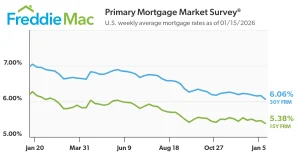
Will mortgage rates go down in 2026?
Many people ask, will mortgage rates go down in 2026. They might, at least somewhat. But most experts are not calling for a dramatic fall to 3 or 4 percent.
Why not?
First, mortgage rates are closely tied to the bond market, especially the 10 year Treasury. When investors worry about inflation, they often demand higher yields, which pushes mortgage rates up.
Second, inflation matters. Even if inflation cools, lenders and investors still want to be paid back with dollars that hold their value. That tends to keep rates from dropping too far too fast.
Third, the Federal Reserve matters, but not in the way people think. The Fed directly controls very short term interest rates. Mortgage rates are long term and are more tied to where markets think inflation and growth are heading. If the Fed cuts rates, mortgage rates can still stay elevated if investors expect inflation to return.
Bottom line: the current housing market forecast 2026 from many respected sources leans toward moderation, not a return to the record lows of the past.
Why Mortgage Rate Is Not the Most Important Factor
It is easy to treat the mortgage rate like it is the whole story, but it is only one piece of a smart housing decision.
A better approach is to choose a plan instead of trying to time the market. Planning means you focus on what you can control:
Your monthly payment
Your down payment and reserves
How long you expect to live in the home
Your ability to refinance later if the opportunity appears
Rate matters, but so does price, taxes, insurance, and the condition of the home. A slightly lower rate will not fix an overpriced house, a tight budget, or a loan that does not match your timeline.
When you build a plan, you gain three big benefits.
First is monthly payment control. You can use strategies like buying down the rate, choosing the right loan term, and shopping homeowners insurance carefully.
Second is long term equity. Homeownership is not only about the rate. It is also about paying down principal and letting time work in your favor.
Third is flexibility. Flexibility means keeping cash reserves and choosing a loan you can live with even if life changes.
From Any Given Day, Rates Can Only Do Three Things
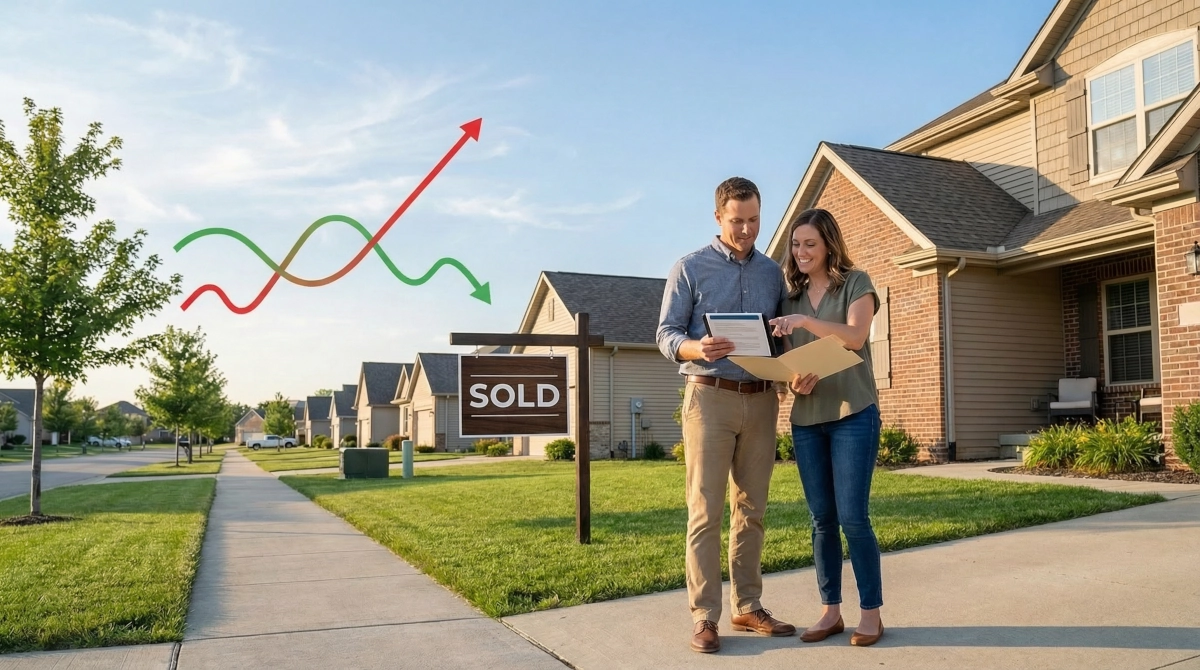
If you feel stuck waiting for the “right time,” this framework helps. From today to tomorrow, mortgage rates can only do three things.
Rates go up
If rates rise, affordability drops. Your buying power shrinks because the same home price creates a higher monthly payment.
In this scenario, acting sooner can protect your options. Even if you do not lock a rate instantly, starting the process now gives you time to compare loan options, improve your credit, and lock when terms make sense.
For homeowners, higher rates can also mean fewer refinance opportunities later. If you already have a workable payment, confirming it fits your budget can be a wise move, especially if you are considering cash out for renovations or debt consolidation and you can do it responsibly.
Rates stay the same
If rates stay flat, waiting does not give you a clear advantage. You simply lose time.
That time loss is not only emotional. It can be financial. You might keep renting at a payment that never builds equity. Or you might delay a move that improves your work commute, school district, or family setup.
If your budget works today, and the home fits your life, the “same rate” scenario supports action.
Rates go down
If rates drop, this is where many people assume waiting wins. But there are two important counterpoints.
One, lower rates often increase buyer demand, which can push prices up. So you might get a lower rate later but pay more for the house.
Two, refinancing later is often possible. This is where a solid refinance strategy comes in. If you buy with a rate you can afford today, and rates fall meaningfully later, you can explore refinancing to reduce your payment. That means buying sooner does not lock you into a high rate forever.
In all three scenarios, taking action now can still be smart if the numbers fit your plan.
Why Waiting Often Backfires
Waiting sounds safe, but it can have hidden costs.
Home prices can rise over time, especially in markets with low inventory. Even modest appreciation can outweigh a small rate drop. The National Association of Realtors (NAR) housing outlook often highlights how supply and demand shape prices, and how limited inventory can keep upward pressure on home values in many areas.
Rent is another big factor. Rent payments rarely build wealth. If rents rise while you wait, your monthly cost goes up with nothing to show for it.
Then there is lost equity. Equity is the part of the home you truly own. Each month you delay buying is a month you are not paying down principal, and a month you are not positioned to benefit if values rise.
This is opportunity cost in plain terms: when you wait, you give up what you could have gained.
Finally, do not treat refinancing as a failure. Refinancing is a normal tool. Many homeowners refinance more than once over the life of a loan. If rates improve, refinancing can be your adjustment lever. That is why refinance readiness matters as much as rate prediction.
The Smart Strategy for 2026 Buyers and Homeowners
Whether you are buying a home in 2026, refinancing, or deciding what to do now, the smart strategy is simple: focus on decisions you can control.
Affordability
Start with a monthly payment that fits your life, not your maximum approval. Build in room for repairs, lifestyle, and future goals.
A strong plan includes taxes and insurance, not only principal and interest. It also includes maintenance, because every home has it.
Cash flow
Cash flow is how your budget feels month to month. A payment can look fine on paper and still feel tight if you have high childcare costs, variable income, or other big obligations.
A practical rule is to keep emergency savings after closing. A home purchase that empties your reserves can create stress even with a good rate.
Flexibility
Flexibility means choosing terms that match your timeline. If you may move in five years, the best loan choice might not be the same as if you plan to stay for twenty.
It also means avoiding a payment that forces you to hope rates drop. Hope is not a strategy. A refinance should be an option, not a requirement.
Refinance readiness
If your plan assumes you might refinance later, set yourself up now. Keep your credit strong, avoid taking on new debt without a clear reason, and track your home value and loan balance over time.
When people ask for 2026 mortgage rate predictions, what they often want is certainty. The better goal is preparedness. When a good opportunity shows up, you can move quickly and confidently.
Conclusion: Trade Rate Guessing for a Real Plan
The question to focus on is not only “Where will rates be?” It is “What is my plan if rates go up, stay the same, or go down?”
Based on the Forbes Advisor mortgage rate forecast, the Bankrate interest rate forecast, and the Investopedia mortgage rate outlook, many expectations for mortgage rates in 2026 land in the low 6 percent range, with normal ups and downs along the way. The Freddie Mac PMMS reminds us that rate cycles are normal, and the NAR housing outlook points to supply and demand forces that can matter as much as the rate itself.
If you want clarity, the next step is not waiting for a headline to feel safe. The next step is reviewing your budget, your timeline, and your options, then choosing the move that fits your life. When the numbers make sense, you can act with confidence, no matter what the market does next.