
What Is a Modular Home Loan?
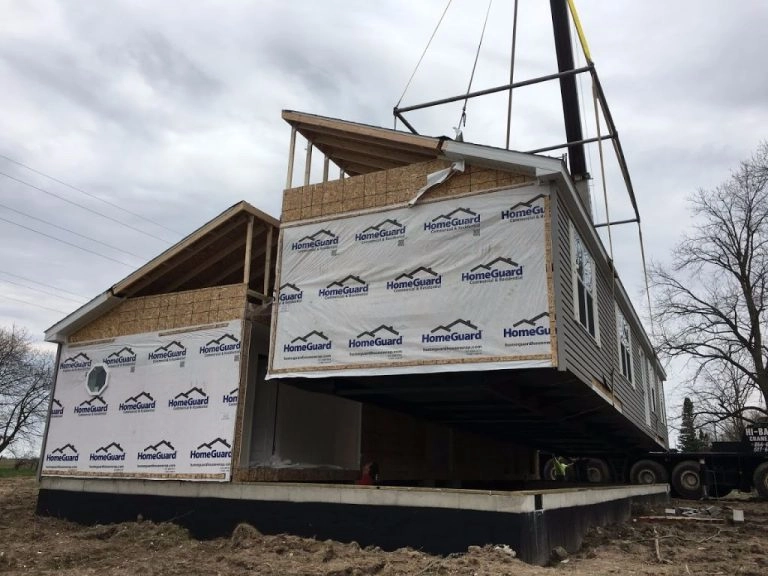
A modular home loan is used to finance a modular home that is constructed in sections in a controlled factory environment and then transported to the property for on-site assembly. Once assembled, the home is permanently affixed to a foundation and is treated as site-built construction for lending purposes.
In Lincoln, Omaha, and throughout Nebraska, modular homes are commonly financed using traditional mortgage programs because they meet the same building codes and appraisal standards as site-built homes. This allows many conventional, FHA, VA, and USDA loan options to apply when the project is structured correctly.
Modular home loans can be used for both new construction and refinances. During construction, funds are typically released in stages as the home is completed, and once the home is finished, the loan converts into permanent financing. This structure provides long-term stability while supporting modern construction timelines.
Because modular homes follow site-built lending guidelines, qualification is based on borrower credit, income, and property details rather than factory construction methods. Proper documentation and contractor approval are key to a smooth process.
Potential Benefits of a Modular Home Loan
Modular home loans combine modern construction with traditional mortgage financing.
Treated as Site-Built Construction
Modular homes are financed using standard mortgage guidelines once permanently installed on a foundation.
Wide Loan Program Compatibility
Many conventional, FHA, VA, and USDA loan programs can be used for modular home financing when guidelines are met.
Efficient Construction Timelines
Factory-built sections often reduce weather delays and improve build efficiency compared to traditional on-site construction.
Long-Term Financing Stability
Modular home loans provide permanent financing with terms similar to traditional residential mortgages.
Who Might Consider a Modular Home Loan?
Modular home loans combine modern construction with traditional mortgage financing.
- Buyers building a new home on owned or newly purchased land
- Homeowners refinancing an existing modular home
- Borrowers seeking modern construction with traditional financing
- Long-term homeowners planning to occupy the property as a primary residence
Things to Consider
While modular home loans offer flexibility, there are important factors to review:
- The home must be permanently affixed to a foundation
- Builder and contractor approvals are required
- Construction timelines and draw schedules must be coordinated
- Loan Products Offering Modular Home Financing
- Eligibility for loan programs depends on your specific financial situation, credit profile, and property details. This information is for educational purposes only and does not constitute a commitment to lend.
Loan Products Offering Modular Home Financing
Conventional Loans
Conventional financing may be a good option for eligible modular homes that are permanently affixed to the property and meet standard loan guidelines. This can be a strong fit for borrowers with solid credit, stable income, and a home that qualifies as real property.
FHA Loans
FHA loans may help buyers finance eligible modular homes with more flexible credit and down payment options. The home must meet FHA property standards and be permanently attached to an approved foundation.
VA Loans
VA loans may be available for eligible veterans, active-duty service members, and qualifying surviving spouses purchasing or refinancing an eligible modular home. This can be a valuable option for qualified borrowers who want flexible financing and possibly no down payment.
Reverse Mortgage
A reverse mortgage may be an option for eligible homeowners age 62 or older who own a qualifying modular home and want to access a portion of their home equity. The home must meet program and property requirements, including being permanently affixed and considered real property.
Non-QM
Non-QM financing may be helpful for borrowers with unique income, credit, or property situations that do not fit traditional loan guidelines. This can include self-employed borrowers, investors, or buyers with alternative documentation needs, as long as the modular home meets the lender’s property requirements.
Jumbo Loans
Jumbo financing may be an option when the modular home loan amount is above standard conforming loan limits. This can be helpful for higher-priced properties, as long as the home and borrower meet the lender’s jumbo loan requirements.
Modular Home Loan FAQs
Are modular homes treated the same as site-built homes for financing?
Yes. Once permanently installed on a foundation, modular homes are typically treated as site-built construction for lending and appraisal purposes.
Do modular homes qualify for conventional, FHA, or VA loans?
In many cases, yes. Modular homes that meet program guidelines and building standards can qualify for conventional, FHA, VA, and USDA financing depending on the borrower and property.
Can I use a modular home loan for new construction?
Yes. Modular home loans are commonly used for new construction and often follow a construction-to-permanent loan structure that converts to long-term financing once the home is completed.
Is refinancing an existing modular home allowed?
Yes. Existing modular homes that are permanently affixed to a foundation and meet appraisal standards can often be refinanced using traditional mortgage programs.