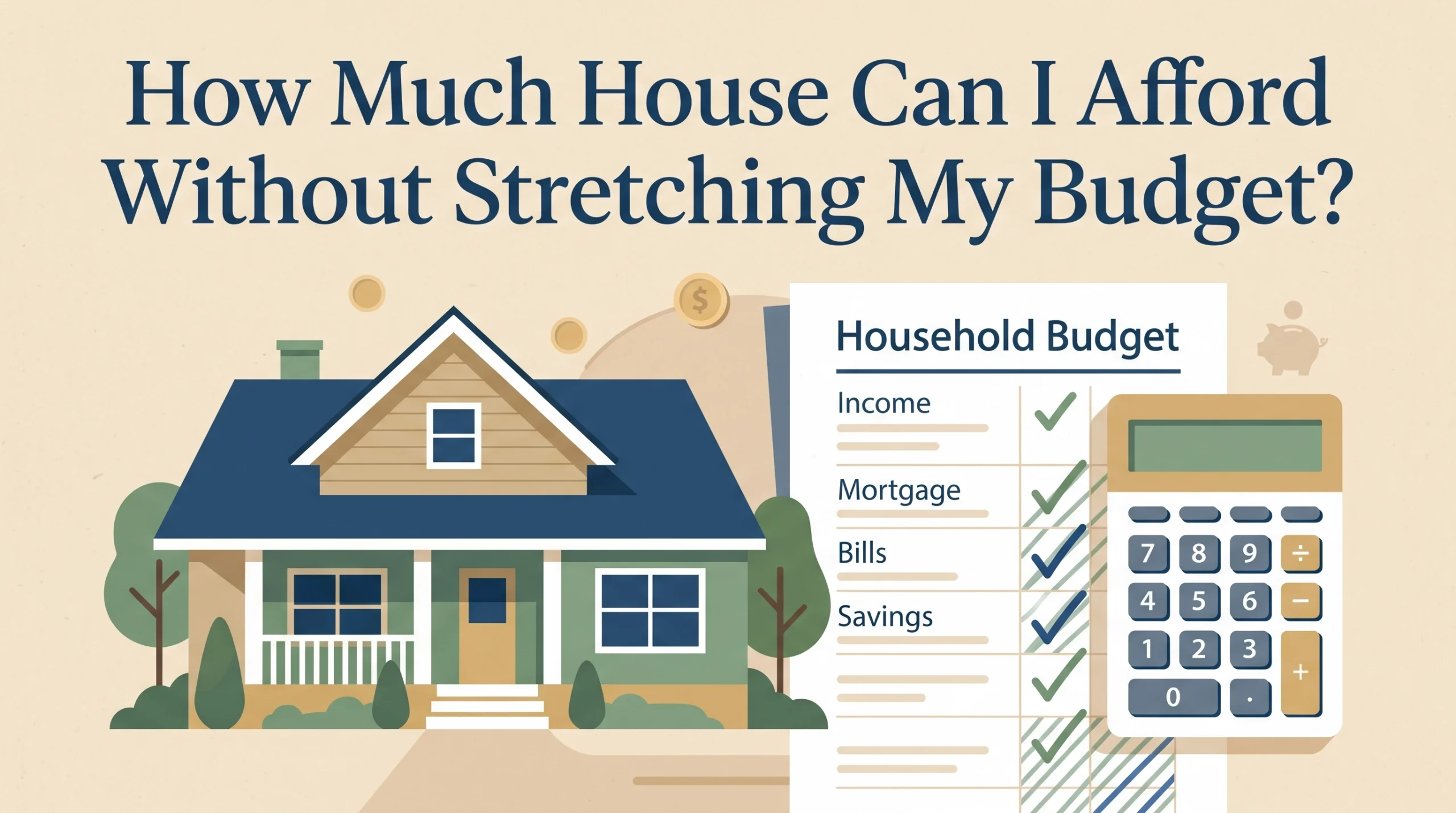

“How much house can I afford?” is one of the first questions buyers ask. The answer is not always the same as the largest loan amount a lender will approve.
A mortgage approval is based on documented income, credit, debts, assets, and loan guidelines. Your personal budget also includes groceries, childcare, retirement savings, travel, medical costs, and other expenses that may not appear on a credit report.
The goal is to find a price range that works both on paper and in real life. That starts with the complete monthly payment, not the home’s listing price.
Approval and Affordability Are Different
A lender determines how much you may qualify to borrow under a specific mortgage program. That calculation is important, but it is not a recommendation that you spend the full amount.
The Consumer Financial Protection Bureau makes this distinction clear. The amount a lender is willing to lend can be different from the payment that fits comfortably with the rest of your household budget. The CFPB explains the difference between mortgage qualification and personal affordability.
Some buyers are comfortable purchasing near their maximum approval. They may have stable income, limited debt, strong savings, and few large expenses outside the mortgage.
Other buyers prefer a lower payment so they can save, travel, pay for childcare, or handle irregular income. Neither approach is automatically right or wrong. The payment needs to fit the household using it.
Start With a Comfortable Monthly Payment
Instead of beginning with a $300,000 or $400,000 purchase price, start by deciding how much you can comfortably spend each month.
Review your current housing expense and how much you save after paying it. Then consider how a new payment would affect your emergency fund, retirement contributions, other debts, and normal lifestyle.
For example, someone paying $1,500 in rent may not automatically be comfortable with a $2,200 mortgage payment. Homeownership can also add maintenance, repairs, utilities, lawn care, and other costs.
Fannie Mae notes that housing expenses are often estimated at 25% to 30% of gross income as a general budgeting guideline. Its affordability calculator explains the guideline and other homeownership costs. This is a starting point, not a universal mortgage limit. The appropriate amount depends on the borrower’s debts, savings, goals, and complete financial picture.
Include the Complete Housing Payment
Online mortgage calculators often display only principal and interest. That can make a home appear more affordable than it really is.
A complete monthly housing payment may include:
- Mortgage principal and interest
- Property taxes
- Homeowners insurance
- Mortgage insurance
- Homeowners association dues
Property taxes and homeowners insurance can vary significantly by property. Two homes with the same price and loan amount may have different total payments because they are in different tax districts or have different insurance costs.
Mortgage insurance may also apply when the down payment is less than 20%, depending on the loan program. The cost can vary based on credit, down payment, loan type, and other factors.
The CFPB recommends subtracting estimated taxes and insurance from your target housing payment to determine how much remains available for mortgage principal and interest. Review the CFPB’s payment-first affordability approach.
Understand How Monthly Debts Affect Buying Power
Lenders compare your monthly debt obligations with your qualifying gross income. This is commonly called the debt-to-income ratio, or DTI.
Debts may include car loans, student loans, credit cards, personal loans, child support, and other required payments. The exact calculation depends on the loan program and how each obligation must be documented.
Two buyers earning the same salary can qualify for very different mortgage amounts. A buyer with no monthly debt may have considerably more buying power than someone paying $700 for a vehicle and $500 toward other obligations.
Paying off debt before buying may improve qualification, but using all available savings to eliminate debt can create another problem. You still need enough cash for the down payment, closing costs, moving expenses, and reserves. A mortgage review can compare both strategies before money is moved.
Know How Much Cash You Need
The down payment is only one part of the money needed to purchase a home. Buyers should also plan for closing costs, prepaid expenses, inspections, moving costs, and savings after closing.
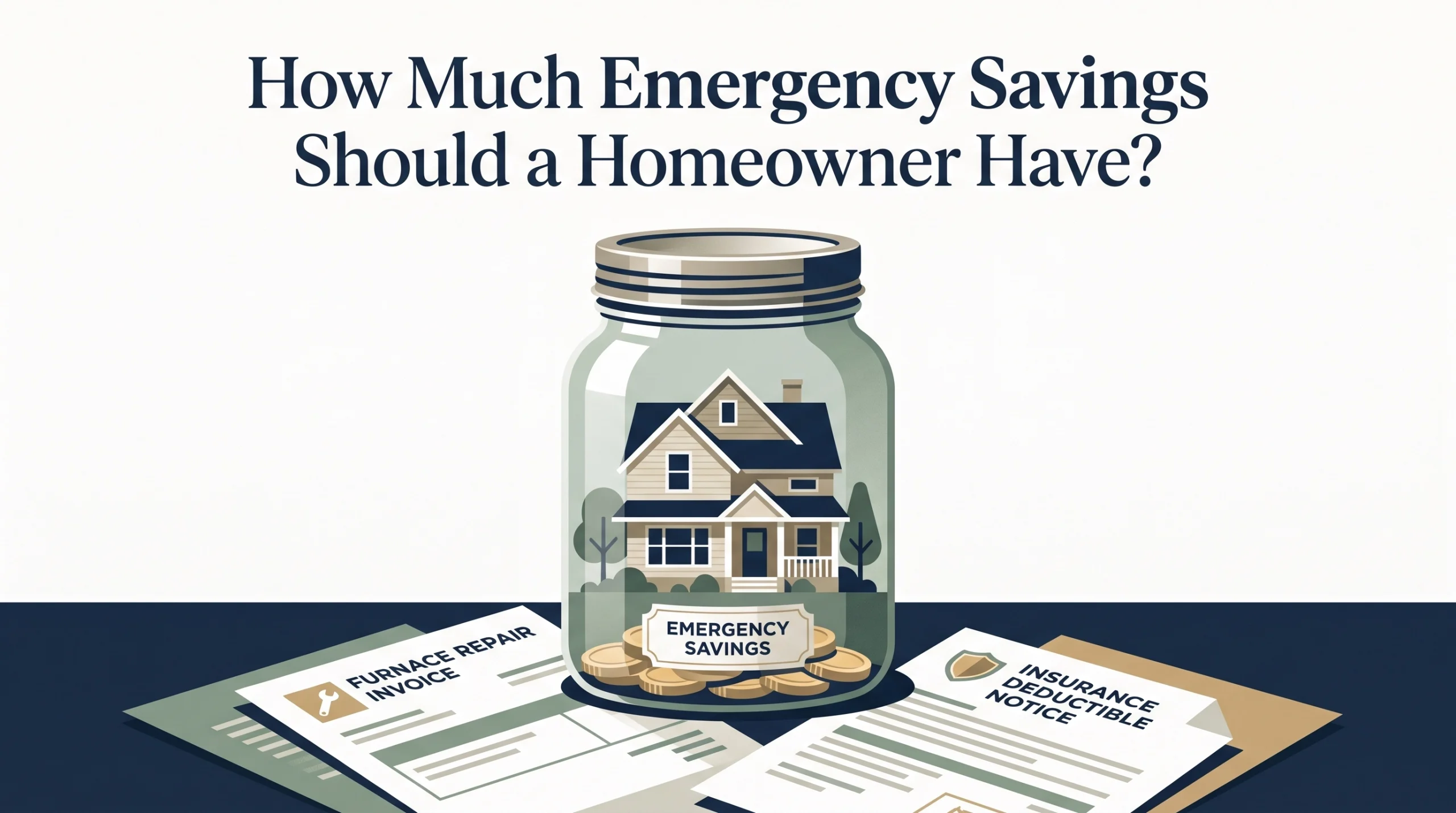
The CFPB states that closing costs commonly range from 2% to 5% of the purchase price, separate from the down payment. It also suggests considering an emergency cushion of three to six months of expenses when deciding how much cash to use. The CFPB explains how to prepare for down payment and closing expenses.
Actual closing costs can fall outside a general range. They depend on the property, loan amount, title company, insurance, appraisal, taxes, interest-rate option, and other transaction details.
Putting more money down may reduce the loan and monthly payment. However, draining savings to reach a larger down payment can leave the buyer unprepared for repairs or other expenses after closing.
Credit and Interest Rates Change the Answer
Your interest rate affects how much home fits within a set monthly payment. When rates rise, the same loan amount produces a higher principal and interest payment. When rates fall, the payment is lower.
Credit can affect the interest rate, mortgage insurance, and available loan options. Improving credit may increase buying power, but the benefit depends on the full application and current mortgage pricing.
This is why an affordability estimate from six months ago may no longer be accurate. Income, debts, rates, taxes, insurance, and available cash can all change.
A useful preapproval should be updated before writing an offer. It should also use realistic taxes, insurance, association dues, and interest-rate assumptions for the property being considered.
Do Not Forget the Cost of Owning the Home
The mortgage payment is not the final cost of homeownership. A homeowner may also pay for repairs, maintenance, utilities, pest control, appliances, and exterior upkeep.
The amount varies by the home’s age, size, condition, and features. A newer property may have fewer immediate repairs but could have higher landscaping, window-covering, or improvement costs. An older property may need a larger maintenance reserve.
Condominiums and townhomes can shift some expenses into association dues. Buyers should review what the dues cover and whether any special assessments are pending.
A payment that uses every available dollar each month leaves little room for these costs. Buying below the maximum approval can provide more flexibility.
Pros and Cons of Buying at Your Maximum
Purchasing near the top of your approval can provide access to more homes, locations, or features. It may make sense for a household with stable earnings, strong reserves, low debts, and a payment that still supports other financial goals.
The disadvantage is a tighter monthly budget. Higher taxes, insurance premiums, repairs, or changes in income can become harder to manage. The buyer may also have less flexibility to save or handle other major expenses.
Buying below the maximum can create a stronger cash-flow cushion and make future expenses easier to absorb. The tradeoff may be a smaller home, different location, or fewer preferred features.
Who Should Take a More Conservative Approach?
A lower target payment may be especially important for buyers with commission, bonus, seasonal, or self-employment income. It may also fit households expecting childcare expenses, vehicle replacement, tuition, medical costs, or a change from two incomes to one.
First-time buyers may benefit from extra room in the budget because they have less experience with maintenance and utility costs. Move-up buyers should compare the new payment with the actual costs of operating a larger property.
The best price range is not based on a fixed percentage alone. It should reflect the buyer’s income, debts, savings, property costs, and priorities.
Get a Payment-Based Preapproval
A strong preapproval does more than provide a maximum purchase price. It should show how different prices, down payments, and interest-rate options affect the total payment and cash to close.
At Capital City Mortgage, we help Nebraska buyers compare options from multiple lenders. We can prepare scenarios using realistic property taxes, homeowners insurance, mortgage insurance, and other costs. We do not charge unnecessary underwriting, processing, or application fees.
The right homebuying budget should allow you to make a competitive offer while keeping the payment comfortable after closing. That is a better measure of affordability than the largest number printed on a preapproval letter.
Frequently Asked Questions
How much of my income should go toward a mortgage?
A common budgeting guideline is approximately 25% to 30% of gross income for housing, but the right amount depends on your debts, savings, expenses, and goals. Mortgage qualification limits can also vary by loan program.
Does a mortgage preapproval show how much I can afford?
A preapproval shows how much you may qualify to borrow under specific assumptions. Your comfortable budget may be lower after considering childcare, savings, maintenance, utilities, and other expenses.
What costs should I include in my monthly house payment?
Include principal, interest, property taxes, homeowners insurance, mortgage insurance when applicable, and homeowners association dues. You should also budget separately for utilities, maintenance, and repairs.
Should I buy a house at my maximum approved amount?
Not necessarily. Buying near the maximum may work if the payment fits comfortably and you have strong savings. A lower price may provide more flexibility for repairs, rising expenses, and other financial goals.