
A lower mortgage rate can make refinancing attractive, but the rate difference does not tell the whole story. A refinance replaces your current mortgage with a new loan. That means new terms, closing costs, and another qualification process.
The right question is not only, “Can I get a lower rate?” It is, “Will the new loan improve my financial position enough to cover its cost?”
For some Nebraska homeowners, refinancing can lower the payment, reduce long-term interest, remove mortgage insurance, or provide access to equity. For others, keeping the current mortgage is the better choice.
What Happens When You Refinance?
A mortgage refinance pays off your existing home loan and replaces it with a new one. You can refinance through your current mortgage company or choose a different lender.
The new loan may have a different interest rate, term, balance, or mortgage program. You must qualify based on the applicable income, credit, debt, equity, property, and documentation requirements.
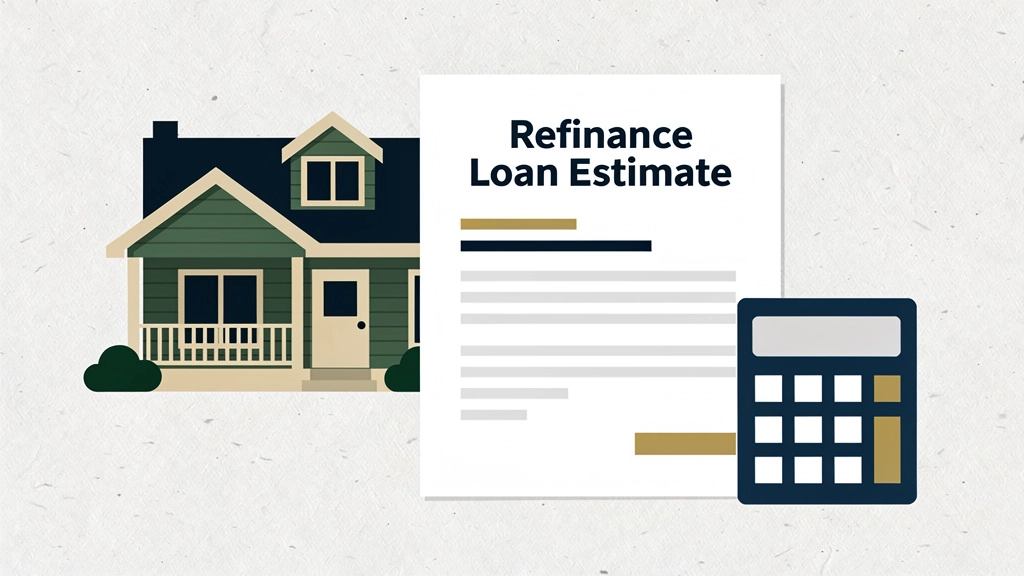
Refinancing also creates closing costs. These may include title work, an appraisal, credit reporting, recording charges, prepaid interest, and other third-party expenses. The Consumer Financial Protection Bureau explains the costs and terms shown on a Loan Estimate.
Reasons a Mortgage Refinance May Make Sense
Most homeowners refinance for one or more specific reasons. The benefit should be measured against the cost and the amount of time you expect to keep the new loan.
Lower the Monthly Payment
Reducing the interest rate can lower the monthly principal and interest payment. A refinance may also lower the payment by extending the remaining balance over a new, longer term.
Those are not the same type of savings. A lower rate reduces the cost of borrowing. Extending the loan term may lower the payment, but it can increase the amount of interest paid over time.
Compare the new payment with the current payment, but also review the new payoff date and total interest. A smaller payment is helpful only when the complete loan structure fits your goals.
Reduce Long-Term Interest
Some homeowners refinance from a 30-year mortgage into a shorter term. The monthly payment may increase, but the loan can be paid off sooner and total interest may be reduced.
This strategy can work for homeowners whose income has increased or whose other debts have been paid off. It is less useful if the higher required payment would leave little room for savings or unexpected expenses.
You can also keep the current loan and make additional principal payments. Refinancing into a shorter term is not the only way to accelerate payoff.
Remove Mortgage Insurance
A conventional refinance may remove private mortgage insurance when the new loan amount and property value meet the applicable requirements. This can create savings even when the interest rate changes very little.
Homeowners with an FHA loan may consider refinancing into a conventional mortgage to remove FHA mortgage insurance. The borrower must qualify, and the property must have enough value for the new loan structure.
Do not assume an online home-value estimate is sufficient. The lender may require an appraisal or another approved method of determining value.
Change the Type of Mortgage
A homeowner with an adjustable-rate mortgage may refinance into a fixed-rate loan for a more predictable principal and interest payment. Someone with a balloon feature or other short-term financing may refinance before the existing loan becomes due.
A refinance can also move a borrower from one mortgage program to another. The new loan should be compared with the current mortgage based on payment, costs, remaining term, and long-term risk.
Use Home Equity
A cash-out refinance replaces the current mortgage with a larger loan and provides part of the difference to the homeowner. The money may be used for home improvements, debt consolidation, education, or other needs.
Cash-out refinancing can provide access to funds at a rate that may be lower than unsecured debt. However, it converts equity into mortgage debt secured by the home.
The new payment, closing costs, interest over time, and purpose of the funds should all be reviewed. A home-equity loan or HELOC may be a better fit when the existing first mortgage has favorable terms.
There Is No Universal Rate-Drop Rule
You may have heard that refinancing only makes sense when the new rate is at least one percentage point lower. That rule is too broad.
A smaller rate reduction may be worthwhile on a large loan with low closing costs and a long ownership period. A larger reduction may still be a poor choice when the loan balance is small, costs are high, or the homeowner plans to sell soon.
Rate options also involve different upfront costs. Discount points can reduce the rate in exchange for paying more at closing. A lender credit can reduce upfront costs in exchange for a higher rate. The CFPB explains how points and lender credits create this tradeoff.
The better approach is to compare several options over the period you realistically expect to keep the mortgage.
Calculate the Refinance Break-Even Point
The break-even point estimates how long it will take for monthly savings to recover the cost of refinancing.
Assume a refinance costs $4,000 and reduces the monthly payment by $200. Dividing $4,000 by $200 gives a simple break-even period of 20 months.
If you expect to sell the home or refinance again within a year, paying $4,000 to save $200 per month would probably not make sense. If you expect to keep the loan for five years, the refinance may provide a meaningful benefit after the break-even point.
This simple calculation is useful, but it has limits. It may not account for changes in the loan balance, term, mortgage insurance, tax effects, or the cost of extending repayment. A complete comparison should show the remaining balance and total cost at several future dates.
The CFPB describes the same basic concept when evaluating upfront points. The homeowner benefits only after accumulated monthly savings exceed the upfront cost. Review the CFPB’s explanation of break-even periods.
Be Careful With “No-Closing-Cost” Refinancing
A no-closing-cost refinance does not normally mean every cost disappears. The lender may provide a credit that covers some or all closing costs in exchange for a higher interest rate.
Another option is adding eligible costs to the new loan balance. That reduces the cash needed at closing, but it increases the amount borrowed.
A lender-credit option can make sense when the homeowner expects to keep the loan for a shorter period or wants to preserve cash. Paying more upfront for a lower rate may work better when the loan will be kept longer.
Ask to see the rate, lender credit, loan amount, payment, and cash to close for each option. That makes the cost easier to identify.
Pros and Cons of Refinancing
The main advantages are a potentially lower payment, reduced interest, a shorter payoff period, removal of mortgage insurance, more predictable terms, or access to equity. Refinancing can also help restructure debt around a clear financial goal.
The disadvantages include closing costs, new qualification requirements, and the possibility of restarting the repayment timeline. A refinance can also reduce equity if costs or cash proceeds are added to the loan.
There is no guaranteed savings amount. The result depends on the current mortgage, new loan terms, closing costs, property value, and how long the new loan remains open.
Who Is Refinancing Most Relevant For?
A refinance review may be useful for homeowners whose current rate is above available market pricing, whose credit has improved, or whose property has gained enough value to remove mortgage insurance. It may also fit someone who needs a different loan term or wants to replace an adjustable-rate mortgage.
Cash-out refinancing may be relevant for homeowners with substantial equity and a defined use for the funds. It deserves a careful comparison with home-equity financing, especially when the current first mortgage has a favorable rate.
Refinancing is less likely to help someone planning to sell soon, carrying a small remaining balance, or already holding strong loan terms. It may also be a poor fit when the savings come mainly from extending the debt for many additional years.
Compare the New Loan With the Loan You Already Have
A good refinance comparison should include the current balance, payment, rate, remaining term, and payoff date. The new option should show the same information, plus closing costs and the break-even point.
At Capital City Mortgage, we help Nebraska homeowners compare refinance options from multiple lenders. We show how the payment, loan balance, costs, and payoff timeline change instead of focusing only on the new rate. We also avoid unnecessary underwriting, processing, and application fees.
Refinancing makes sense when it supports a clear goal and provides enough value to cover its cost. If the numbers do not create a meaningful improvement, keeping the current mortgage may be the best decision.
Frequently Asked Questions
How much lower should my rate be before refinancing?
There is no universal rate difference that makes refinancing worthwhile. Compare the closing costs, monthly savings, loan balance, new term, and how long you expect to keep the mortgage.
How do I calculate the break-even point on a refinance?
Divide the closing costs by the estimated monthly savings. For example, $4,000 in costs divided by $200 in monthly savings produces a simple break-even period of 20 months.
Can I refinance without paying closing costs?
You may be able to use a lender credit or add eligible costs to the new loan balance. The costs are not necessarily eliminated, so compare the rate, payment, balance, and total long-term expense.
Does refinancing restart my mortgage at 30 years?
It can, but it does not have to. Refinance terms vary, and shorter options may be available. Compare the new payoff date and total interest with the remaining term on your current mortgage.