
A mortgage preapproval tells you how much financing you may qualify for. It does not automatically tell you how much you should spend.
Those numbers can be different because mortgage underwriting focuses on income, debts, credit, assets, and loan requirements. Your personal budget also includes groceries, childcare, utilities, retirement savings, travel, medical costs, and other expenses that may not appear in the lender’s calculation.
The best home price is one that provides a manageable payment while leaving room for normal life, savings, and unexpected repairs.
Start With the Total Monthly Housing Payment
Many online mortgage calculators show only principal and interest. That is not the complete payment most buyers need to consider.
Your estimated monthly housing expense may include:
- Principal and interest
- Property taxes
- Homeowners insurance
- Mortgage insurance
- Homeowners association dues
- Flood insurance, when required
- Other property-related obligations
The Consumer Financial Protection Bureau explains that buyers should begin with a comfortable total monthly payment, then subtract estimated taxes and insurance to determine how much remains for principal and interest. This approach is more useful than selecting a home price first and hoping the payment works. Consumer Financial Protection Bureau
Property taxes and insurance can make a meaningful difference in Nebraska. Two homes with the same price may have different total payments because of their location, assessed value, insurance cost, or HOA dues.
Understand How Lenders Calculate Affordability
Lenders commonly review your debt-to-income ratio, also called DTI. This compares certain monthly debt obligations with the gross income used to qualify for the mortgage.
Suppose your qualifying gross income is $8,000 per month. You have a $500 vehicle payment and a $200 student loan payment. If the proposed housing payment is $2,400, your total monthly obligations would be $3,100. That produces a DTI of about 38.8%.
A ratio at that level may be acceptable for some borrowers and programs, but approval depends on the complete file. Credit, reserves, property type, loan program, income stability, and automated underwriting results can all affect the outcome.
Fannie Mae’s current debt-to-income guidance illustrates why there is no single limit for every conventional borrower. Manually underwritten loans and loans approved through automated underwriting can have different requirements. Government loan programs also follow their own rules. Fannie Mae
Qualification Is Not the Same as Comfort
A lender may approve a payment that fits the program’s underwriting rules. The lender does not make every household spending decision for you.
Expenses such as groceries, utilities, childcare, health care, hobbies, charitable giving, and most routine subscriptions generally are not treated like credit-card or vehicle payments in a standard DTI calculation. They still affect how comfortable the mortgage payment will feel each month.
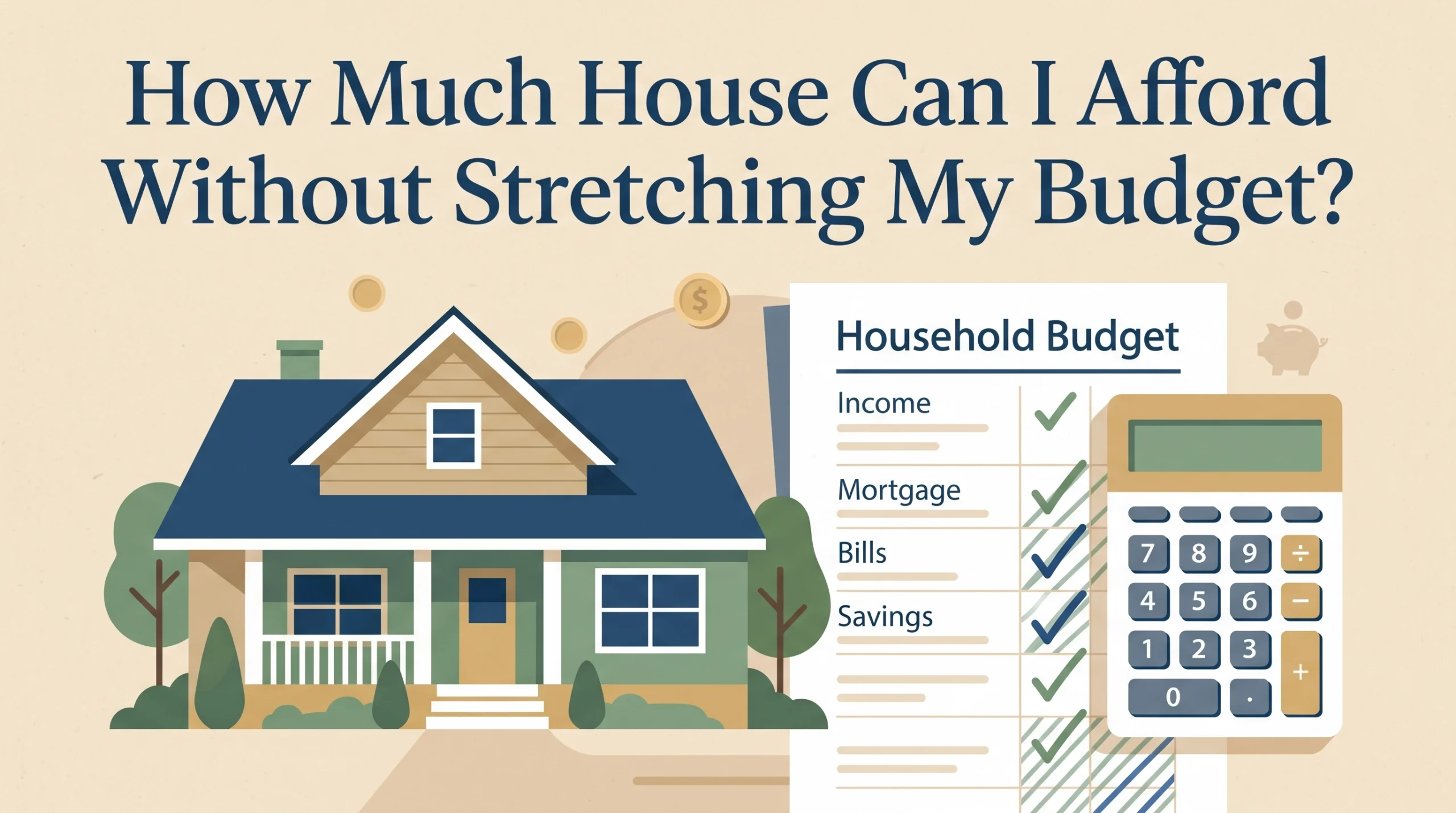
Before choosing a price range, review several months of actual spending. Look at what leaves your checking account, not what you believe a typical month should cost. Include irregular expenses such as vehicle registration, school activities, insurance deductibles, gifts, travel, and annual memberships.
If a proposed payment leaves little room after those costs, the approved amount may be higher than your practical budget.
Leave Savings Available After Closing
The down payment is only one part of the money needed to purchase a home. Buyers may also pay closing costs, prepaid expenses, inspection charges, moving costs, and initial repairs or purchases.
Fannie Mae’s affordability guidance notes that buyers should consider emergency savings, long-term savings, closing expenses, maintenance, and unexpected homeownership costs. Its general budgeting guidance places housing near 25% to 30% of gross income, but that is a starting point rather than a mortgage approval rule. Fannie Mae
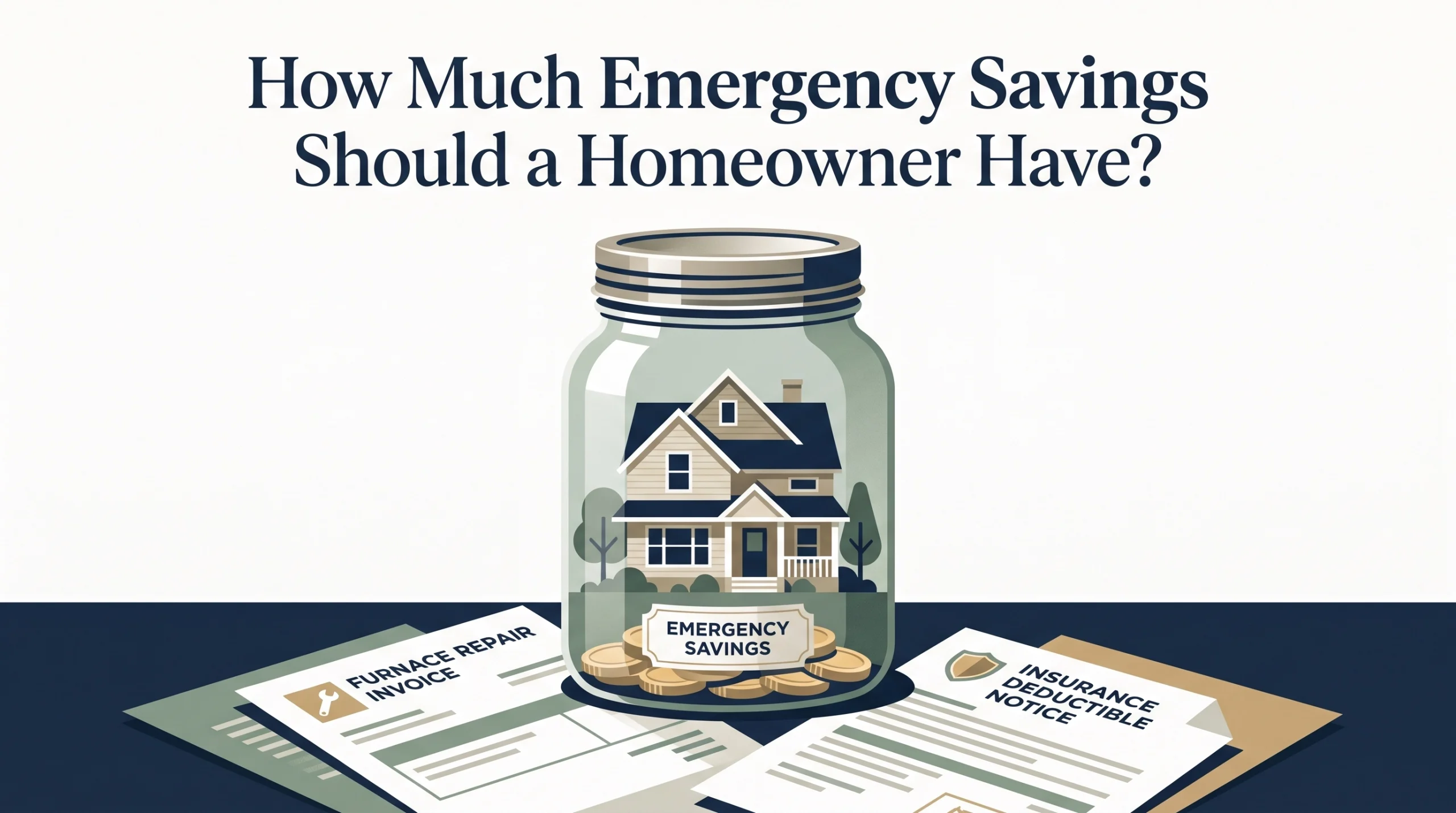
Avoid using every available dollar to increase the down payment. A lower loan balance can reduce the payment, but having no cash left after closing creates another risk. A furnace, roof leak, plumbing problem, or insurance deductible can become expensive quickly.
The right reserve amount depends on the property, household income, job stability, insurance coverage, and other available resources.
Account for Costs That May Change
The principal and interest payment on a fixed-rate mortgage generally remains stable. The total payment can still change because property taxes, homeowners insurance, mortgage insurance, and HOA dues may change.
This is especially important with new construction. The current tax amount may be based on vacant land or an incomplete property. After the completed home is assessed, the tax bill and escrow payment may increase.
Insurance should also be estimated for the actual property whenever possible. The home’s age, roof, location, construction type, claims history, coverage, and deductible can affect the premium. An early insurance quote can identify a cost that a basic mortgage calculator may miss.
Test the Payment Before You Buy
One practical test is to save the difference between your current housing expense and the proposed payment.
If your rent is $1,500 and the estimated home payment is $2,200, transfer $700 into savings each month for several months. Also set aside an estimated amount for maintenance if your current rent includes repairs.
This test does not recreate every cost of ownership, but it can show how the higher payment affects daily cash flow. It also builds additional funds for closing or reserves.
If the test forces you to use credit cards, stop retirement contributions, or regularly move money back from savings, the target payment may need to be reduced.
How the Down Payment Changes the Numbers
A larger down payment reduces the loan amount and may reduce or eliminate mortgage insurance, depending on the loan program. It can also lower the monthly payment and improve qualification.
A smaller down payment keeps more cash available. That may be useful for reserves, repairs, furniture, or other goals. Several mortgage programs allow qualified buyers to purchase with less than 20% down, although the payment structure and mortgage insurance vary.
The best choice is not always the largest possible down payment. Compare the monthly benefit with the amount of savings you would have left after closing.
Pros and Cons of Buying Near Your Maximum Approval
Buying near the approved limit may provide access to more homes, locations, or property features. It may also reduce the need to move again if the home supports your plans for several years.
The downside is less monthly flexibility. A large payment can make repairs, tax increases, insurance changes, or temporary income reductions harder to manage. It may also slow other goals such as paying off debt, building retirement savings, or starting a business.
A lower purchase price may require compromises, but it can provide more financial room after closing. The correct balance depends on your priorities and risk tolerance.
Who Should Use a More Conservative Budget?
A lower target payment can be especially helpful for households with variable income, commission income, significant childcare costs, limited emergency savings, or plans to reduce work hours. It may also fit buyers expecting vehicle replacement, education expenses, medical costs, or another major change.
Self-employed buyers should consider the difference between business revenue, qualifying income, and cash that is truly available for household spending. Move-up buyers should also compare the new payment with the costs of selling, moving, and maintaining a larger property.
Buyers with stable income, strong reserves, low consumer debt, and a clear long-term plan may be comfortable using more of their approved amount. Even then, the complete payment should be reviewed before making an offer.
Choose the Payment Before the Home Price
Start with a monthly housing payment that fits your real budget. Then calculate the price range supported by that payment, your available cash, the loan options, estimated taxes, insurance, and current interest rates.
A thoroughly prepared preapproval should provide both a maximum qualification amount and useful payment examples below that maximum. This helps you shop with clear limits instead of trying to rebuild the budget after finding a property.
At Capital City Mortgage, we help Nebraska buyers compare multiple lenders and loan options while reviewing the complete monthly payment and cash needed to close. Our goal is to prepare a strong preapproval and help you select a price range that works beyond closing day.
Frequently Asked Questions
How much of my income should go toward a mortgage?
There is no single percentage that works for every household. Review the total housing payment, monthly debts, regular living expenses, savings goals, and emergency reserves before selecting a comfortable amount.
Is my mortgage preapproval the same as my homebuying budget?
No. A preapproval estimates what you may qualify to borrow under mortgage guidelines. Your personal budget may be lower after accounting for expenses and goals that are not included in the lender’s debt-to-income calculation.
What costs should I include in a monthly house payment?
Include principal, interest, property taxes, homeowners insurance, mortgage insurance, HOA dues, and any required flood insurance. You should also budget separately for utilities, maintenance, and repairs.
Should I use all my savings for a larger down payment?
Not necessarily. A larger down payment can reduce the loan and monthly cost, but keeping adequate money for closing, emergencies, repairs, and other priorities may be more valuable.