
An accepted offer does not mean the mortgage is finished. Your lender still needs to complete underwriting, verify the property, confirm the final numbers, and make sure your financial situation has not changed.
A financial decision that seems normal can delay closing or change the loan approval. Buying furniture, financing a vehicle, changing jobs, or moving money between accounts may create additional questions. Until the purchase is complete, it is best to keep your finances stable and discuss major changes with your mortgage professional first.
Do Not Open New Credit Accounts
Avoid applying for a new credit card, auto loan, personal loan, furniture financing, or other credit before closing. A new inquiry can affect your credit score, and a new payment can increase your debt-to-income ratio.
The lender may monitor credit during the mortgage process or refresh the credit information before closing. If a new account or balance appears, the file may need to be reviewed again.
The Consumer Financial Protection Bureau recommends avoiding other credit applications during the mortgage process. Even a store promotion with no payments for several months can create a new account and affect qualification.
If you need to replace a vehicle or handle an urgent expense, contact your loan officer before applying. The payment may be acceptable, but it should be calculated before you sign anything.
Do Not Make Large Credit Card Purchases
New furniture, appliances, moving supplies, and home-improvement materials can wait until after closing. A large charge may increase the minimum monthly payment and reduce the available credit on the account.
Higher credit utilization can also affect the credit score. That matters because mortgage pricing, mortgage insurance, and loan eligibility may depend on the qualifying score.
Paying the charge off before closing does not always prevent extra work. The lender may need updated statements, proof of payment, and confirmation that the account balance has been reduced.
Fannie Mae advises buyers to refrain from opening new credit, taking out loans, or making other large purchases before closing. Waiting a few more days is usually easier than changing an approved mortgage file.
Do Not Change Jobs Without Discussing It First
Employment and income are important parts of mortgage approval. A lender may verify employment again shortly before closing.
Changing employers does not automatically end a loan approval. However, it can create delays while the lender reviews the new position, start date, pay structure, and likelihood that the income will continue.
A move from salary to commission, hourly income to self-employment, or guaranteed pay to variable income can have a larger effect. Even a promotion may require a new offer letter, paystub, or employment verification.
Do not quit, reduce your hours, take unpaid leave, or change how you are paid without contacting your loan officer. If the change is unavoidable, provide the details quickly so the impact can be reviewed.
Do Not Move Money Without Keeping Records
Buyers often transfer funds between checking, savings, investment, and retirement accounts before closing. Transfers may be acceptable, but the lender usually needs to follow the money from one verified account to another.
Large unexplained deposits can also create questions. Examples include cash deposits, money from a business account, proceeds from selling personal property, or funds received from another person.
Gift funds may be allowed under many loan programs, but documentation requirements vary. The lender may need a gift letter, proof of the donor’s transfer, evidence of the deposit, or other records.
Avoid depositing physical cash when possible because its source can be difficult to document. Before moving or accepting money, ask what records will be needed and keep complete statements, receipts, and transaction confirmations.
Do Not Close Credit Cards
Closing an established credit card may reduce your available credit and increase your credit utilization ratio. That can lower a credit score even if you did not add new debt.
The CFPB explains that closing a credit card can affect a credit score because it changes the amount of available credit. The result depends on the complete credit profile.
Do not close accounts, add authorized users, request a credit-limit increase, or dispute credit information during the mortgage process without discussing it first. A well-intended credit change can create an unexpected result.
Do Not Miss Payments
Continue paying every obligation on time. This includes credit cards, auto loans, student loans, rent, mortgages, and other accounts.
A late payment can reduce the credit score and may affect approval. It can also create questions about whether the borrower has the financial ability to take on the new mortgage.
Do not skip a payment because an account is expected to be paid off at closing. Keep making required payments until your lender or closing professional gives clear instructions.
Do Not Spend the Money Reserved for Closing
The lender may verify that you still have enough money for the down payment, closing costs, and required reserves. Spending those funds before closing can leave the transaction short.
The final cash needed may change as the lender and title company balance taxes, insurance, seller credits, prepaid expenses, and other adjustments. Keep a reasonable cushion instead of planning to use every available dollar.
Do not assume the final number will match an early estimate exactly. Review the Closing Disclosure and confirm how the funds must be delivered. The CFPB’s Closing Disclosure guide explains where to review the final loan terms, costs, credits, and cash to close.
Do Not Ignore Document Requests
Mortgage documents can expire or need to be updated. The lender may request recent paystubs, bank statements, proof of insurance, employment information, or explanations before issuing final approval.
Respond promptly, but provide complete documents. Sending one page of a multi-page bank statement or a cropped screenshot may create another request and slow the review.
Do not alter a document or remove information. If a statement contains something you believe is unrelated, ask before editing or excluding it.
Do Not Change Insurance at the Last Minute
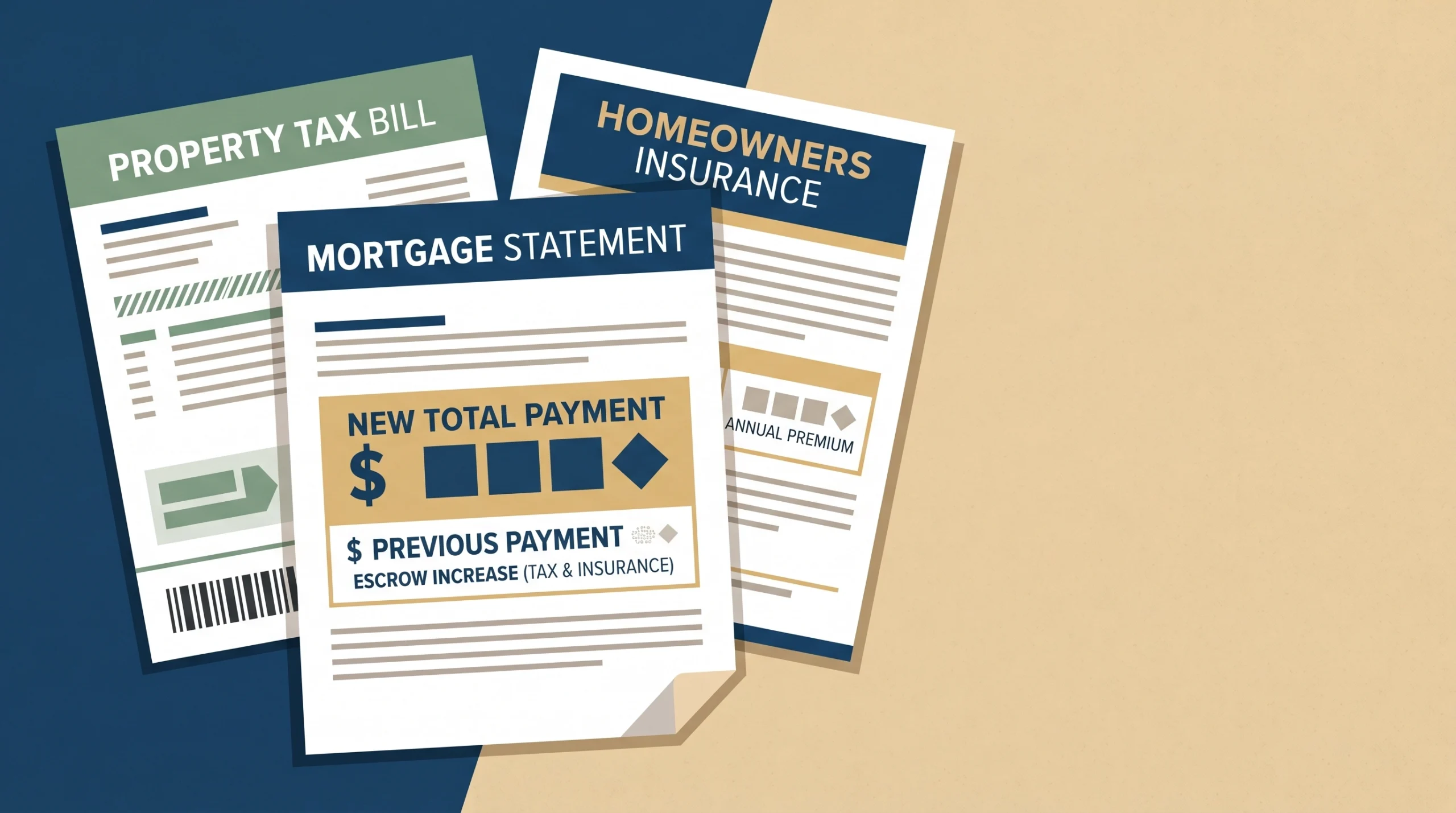
The lender needs acceptable homeowners insurance before closing. The premium also affects the total monthly payment and may affect qualification.
Changing carriers, coverage, or deductibles at the last minute can change the payment and require updated documents. It may also delay the title company’s and lender’s final balancing.
Shop early and verify that the policy meets the loan requirements. After closing, you can review coverage with your insurance professional, but notify the mortgage servicer if a policy changes.
Do Not Trust Unexpected Wiring Instructions
Mortgage closing scams often involve an email that appears to come from a title company, lender, or real estate professional. The message may claim that wiring instructions changed and pressure the buyer to act quickly.
Verify the instructions by calling a trusted phone number obtained independently. Do not use a phone number contained only in the unexpected email.
The CFPB warns that criminals may send fake last-minute wiring changes to divert a buyer’s down payment and closing funds. Contact the bank and closing team immediately if money is sent to the wrong account.
Pros and Cons of Keeping Finances Stable
The benefit of avoiding major changes is a cleaner closing process. Stable income, credit, debt, and assets allow the lender to confirm that the approved file still reflects the borrower’s situation.
The drawback is that some purchases and financial decisions may need to wait. That can be inconvenient when preparing to move, but a short delay is usually better than creating a new condition or losing loan eligibility.
Who Should Be Especially Careful?
Every financed buyer should protect the loan approval, but extra care is helpful when qualification is close to a program limit. This includes buyers with a higher debt-to-income ratio, limited funds after closing, variable income, or a credit score near a pricing or eligibility threshold.
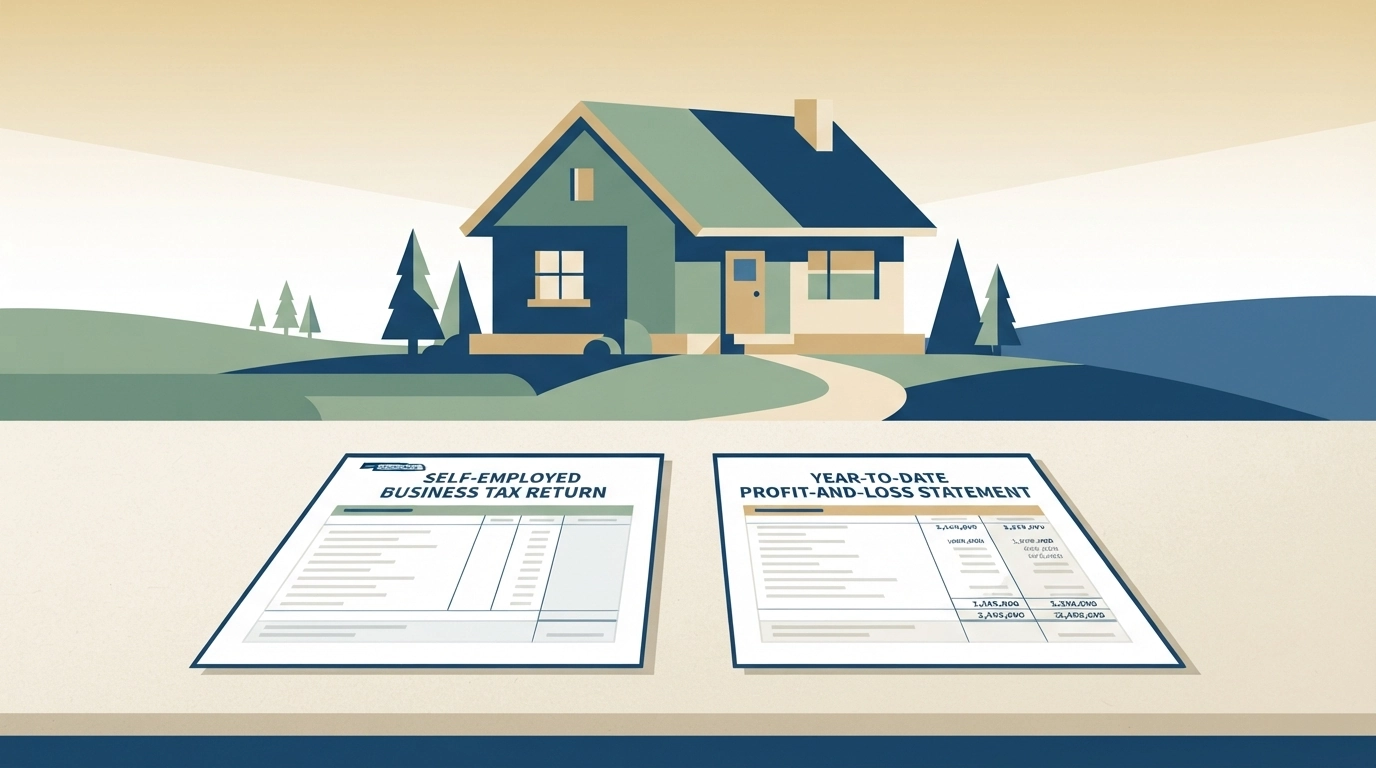
Self-employed borrowers and buyers receiving gift funds should also keep strong records. Move-up buyers need to document proceeds from their current home and avoid making assumptions about when those funds will be available.
Keep the File Consistent Through Closing
Until you have signed, the loan has funded, and the purchase is complete, treat your mortgage approval as active work. Avoid new credit, large purchases, employment changes, unexplained deposits, and unnecessary account changes.
At Capital City Mortgage, we prepare Nebraska buyers carefully and stay in communication through closing. If a change becomes necessary, contact us before acting so we can review the effect and help protect the transaction.
Frequently Asked Questions
Can I use my credit card before closing on a house?
Normal spending may be acceptable, but avoid large purchases or balances that increase the minimum payment or credit utilization. Ask your mortgage professional before making a significant charge.
Can I change jobs before my mortgage closes?
Possibly, but the lender must review the new employment, income, start date, and pay structure. Discuss the change before giving notice or accepting a different compensation arrangement.
Can I move money between bank accounts before closing?
Transfers may be allowed, but the lender may need statements and transaction records showing the money leaving one verified account and entering another. Keep complete documentation.
Will the lender check my credit again before closing?
The lender may refresh credit information or monitor for new activity before closing. New accounts, inquiries, balances, or late payments can require additional review and may affect approval.