

Mortgage Updates
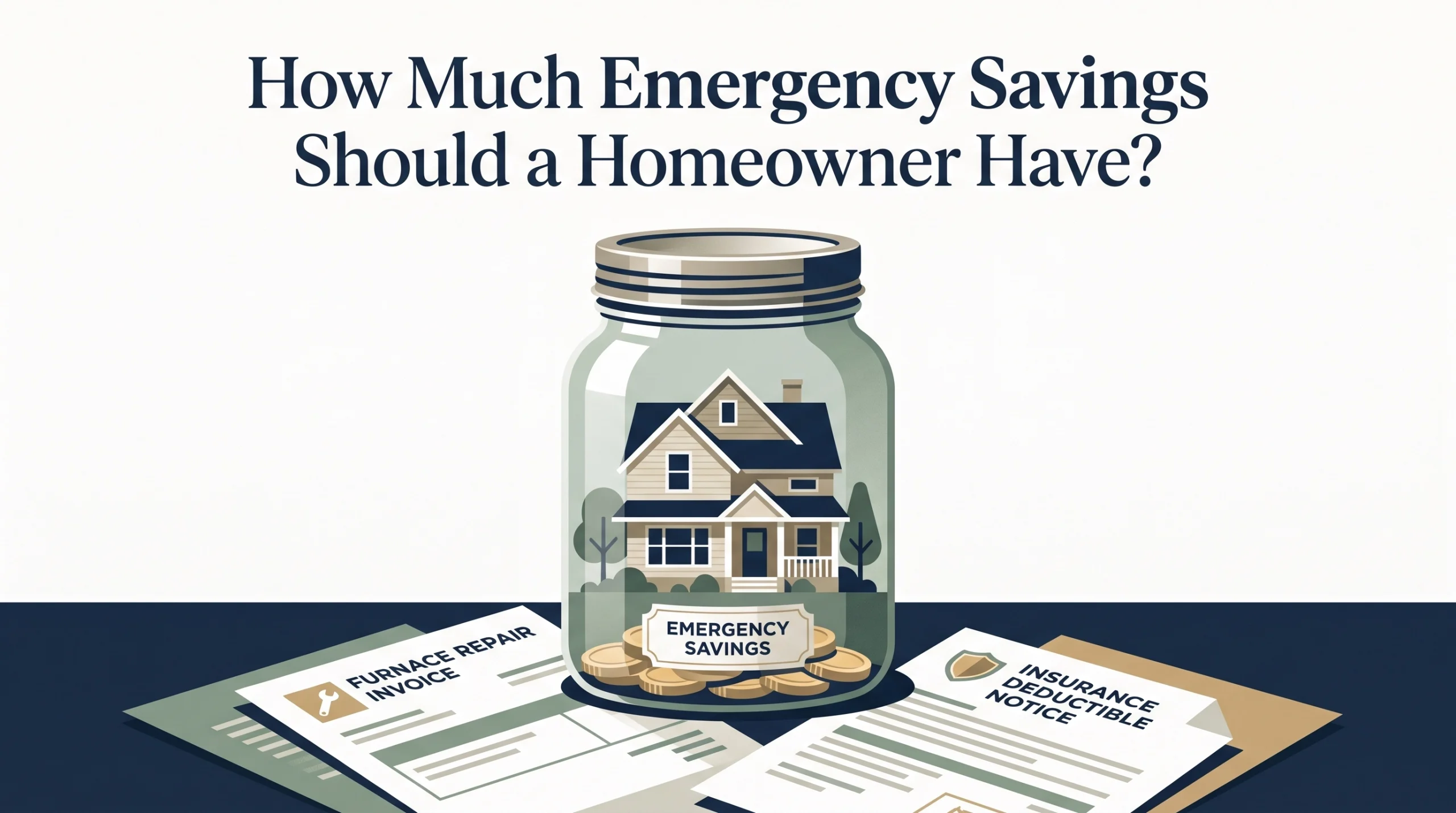
How Much Emergency Savings Should a Homeowner Have?
Homeowners need savings for more than the mortgage. Learn how to set a practical emergency fund and separate unexpected costs from planned maintenance.
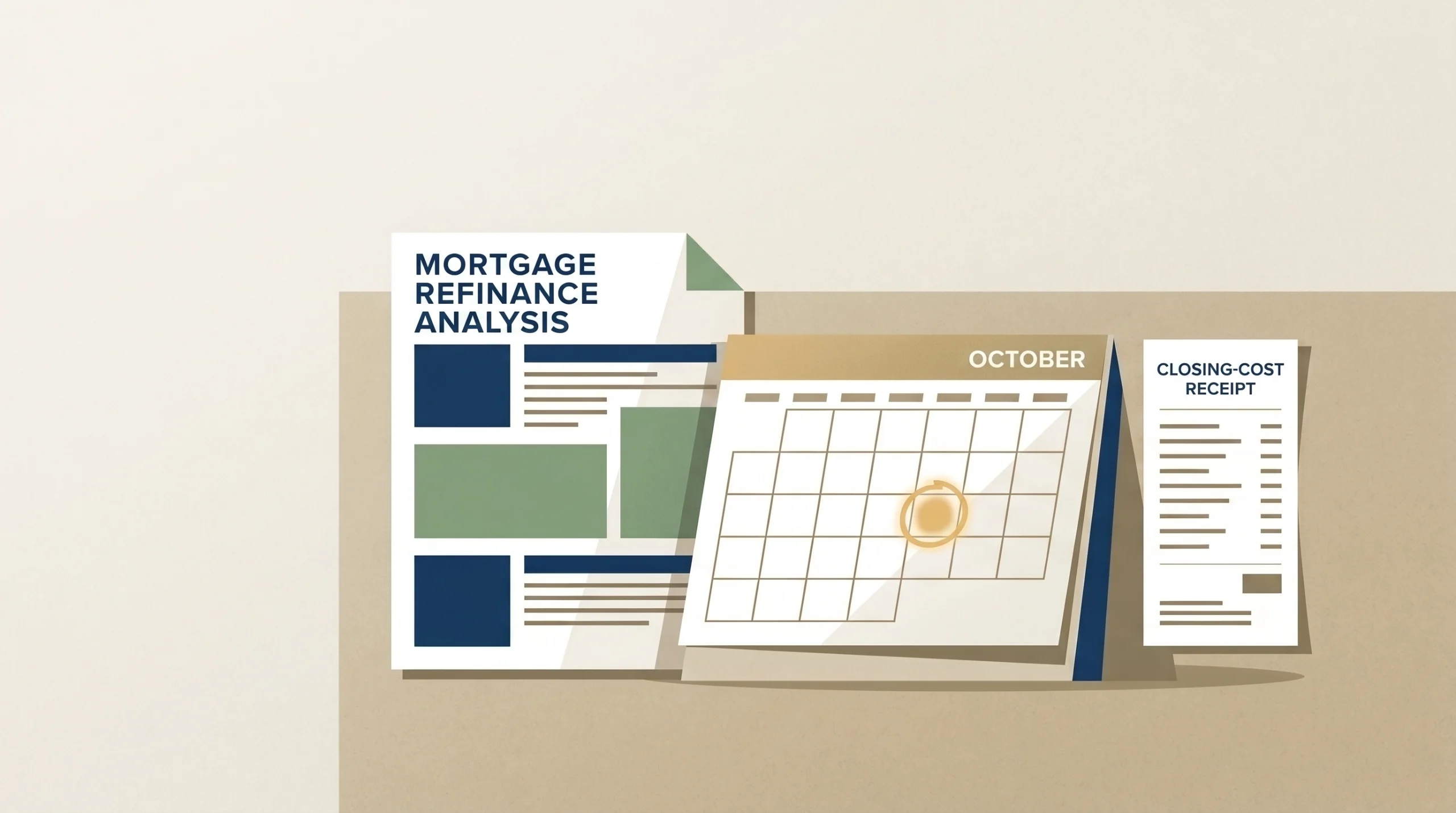
Is Refinancing Worth It? How to Find Your Break-Even Point
A lower rate does not always make refinancing worthwhile. Learn how costs, monthly savings, loan terms, and your break-even point affect the decision.
What Should You Avoid Before Closing on a House?
Your mortgage is not final when the offer is accepted. Learn which credit, employment, banking, and spending changes could delay or affect closing.
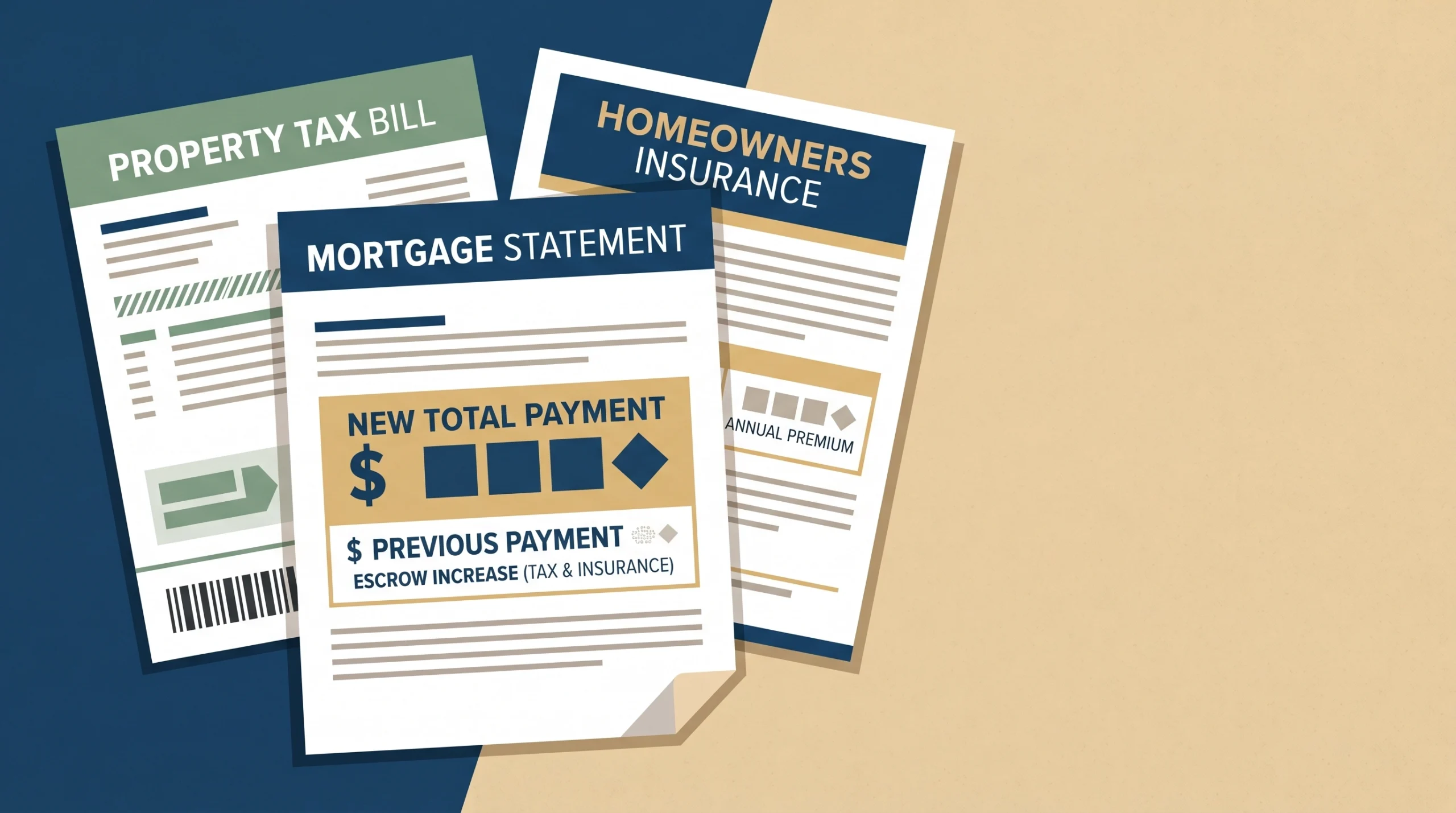
Why Did My Mortgage Payment Go Up With a Fixed Rate?
A fixed mortgage rate does not always mean a fixed total payment. Learn how property taxes, insurance, and escrow shortages can change the amount due.
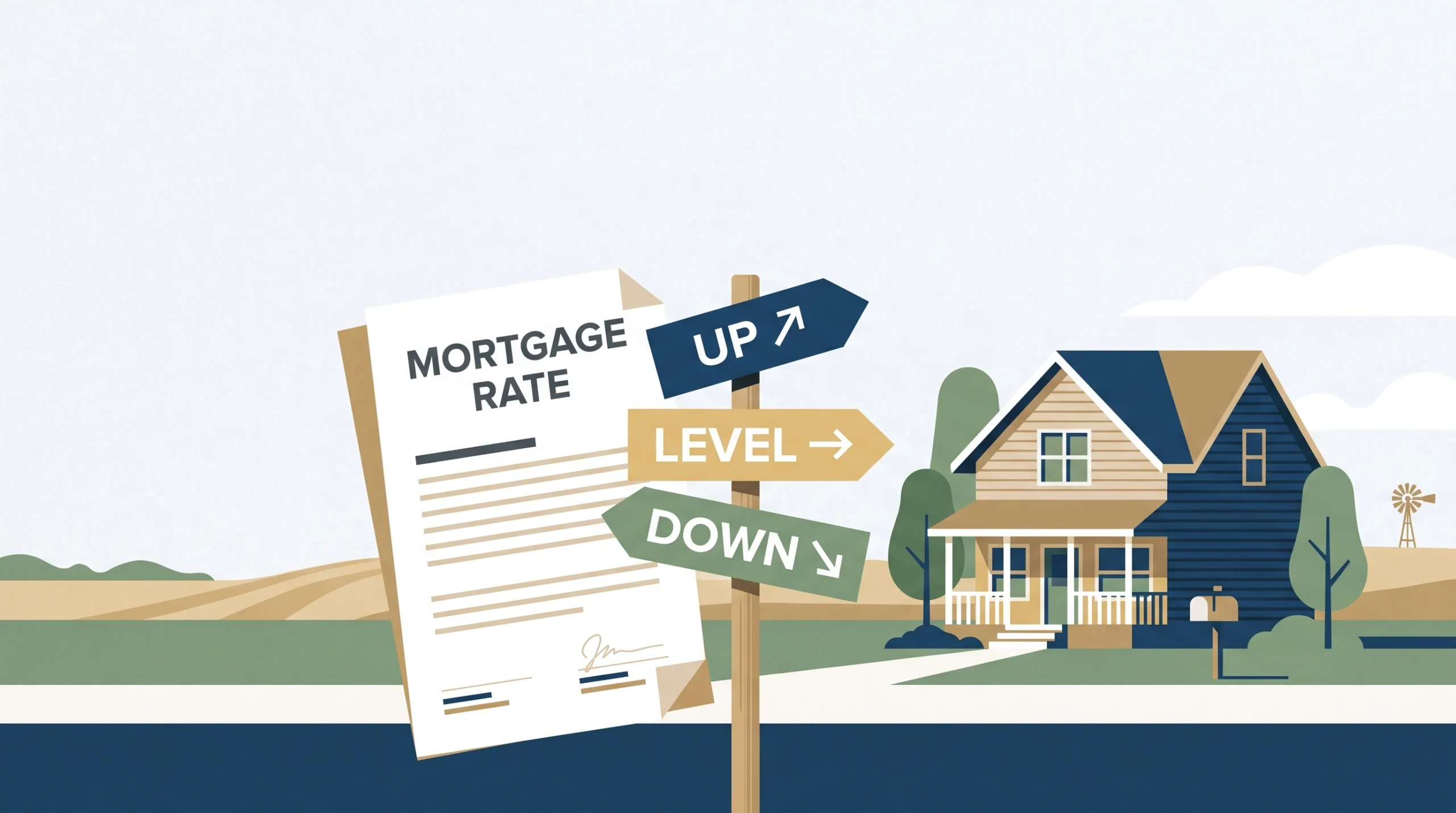
Should I Wait for Mortgage Rates to Fall Before Buying a House?
Mortgage rates may rise, remain steady, or fall. Learn how each scenario could affect your payment, home price, competition, and opportunity to refinance.
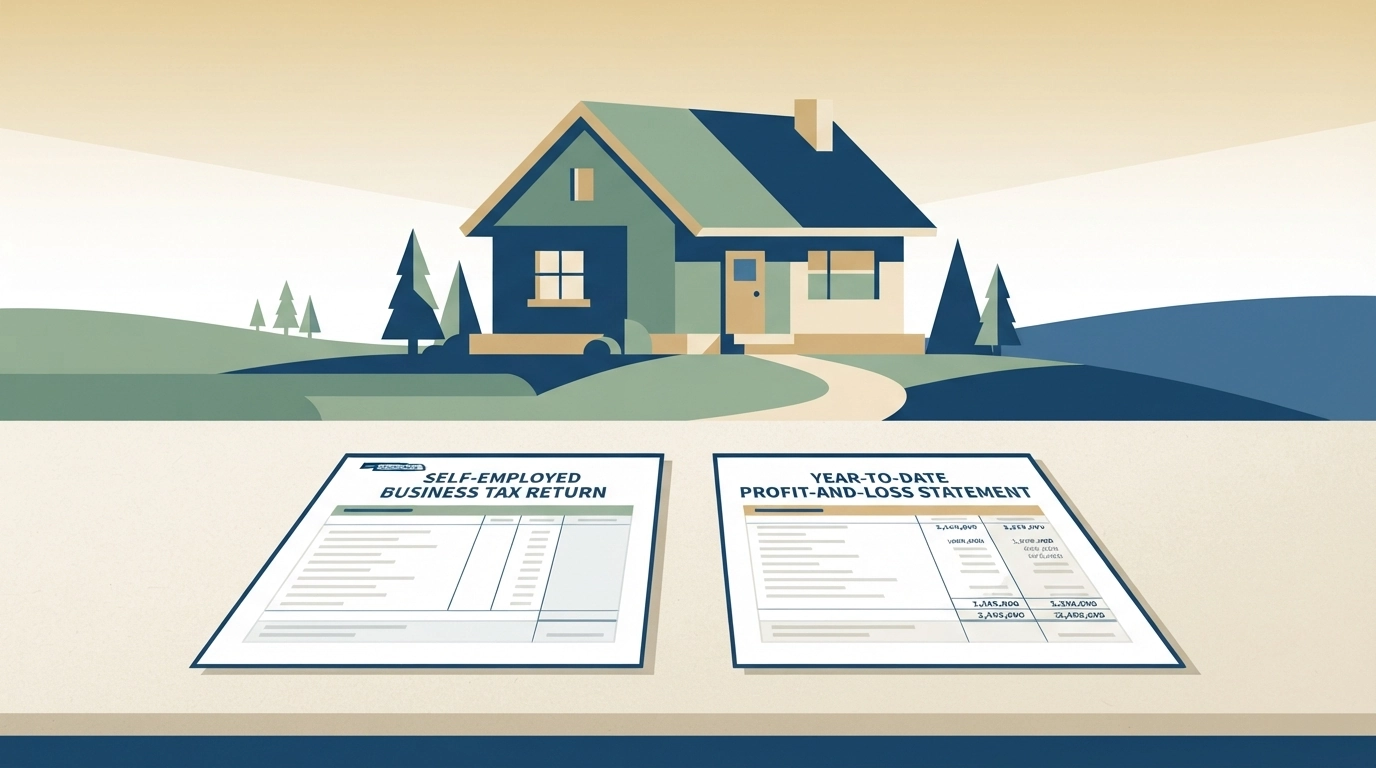
Can You Buy a House if You Are Self-Employed?
Self-employed buyers can qualify for a mortgage, but income is calculated differently. Learn how tax returns, business expenses, income trends, and bank statements are reviewed.
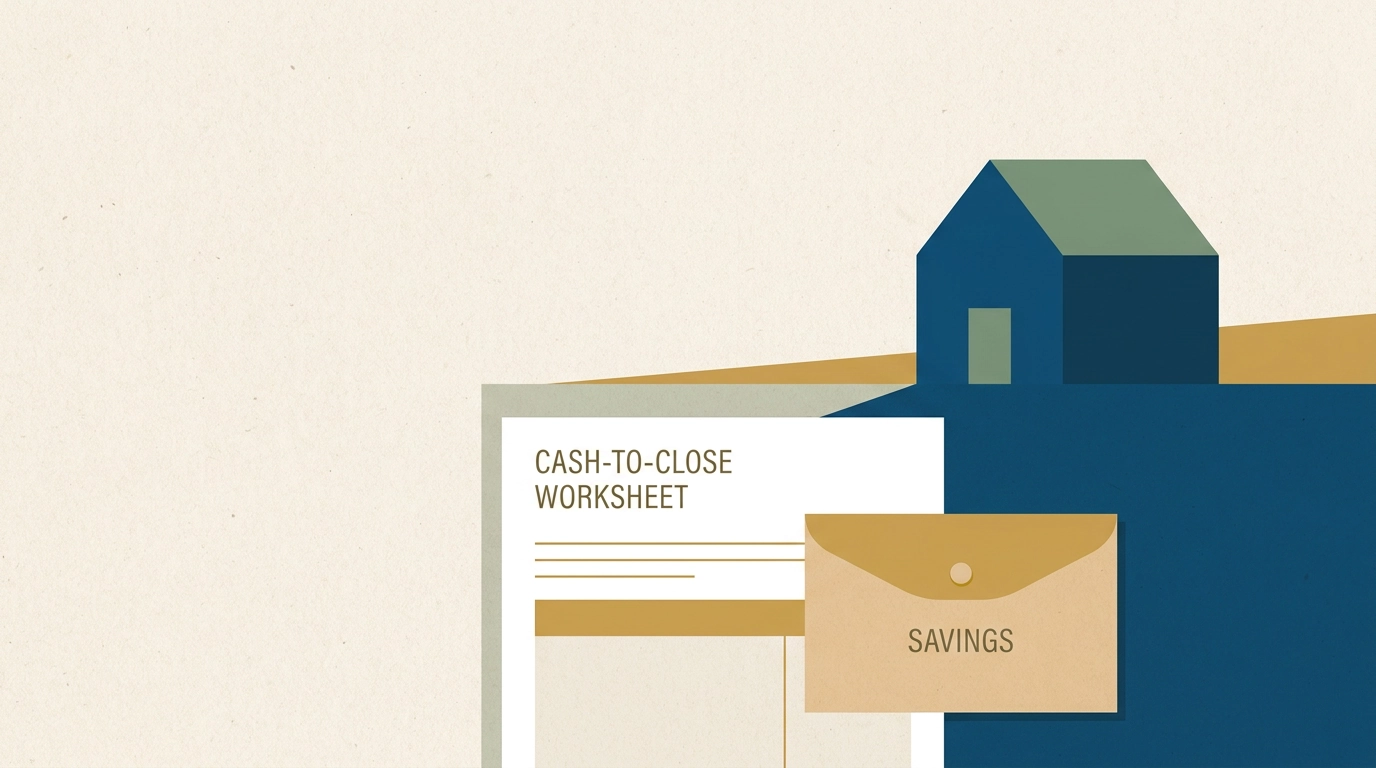
How Much Money Do You Need to Buy a House?
Buying a house requires more than a down payment. Learn how closing costs, earnest money, prepaids, inspections, credits, and reserves affect the total cash needed.
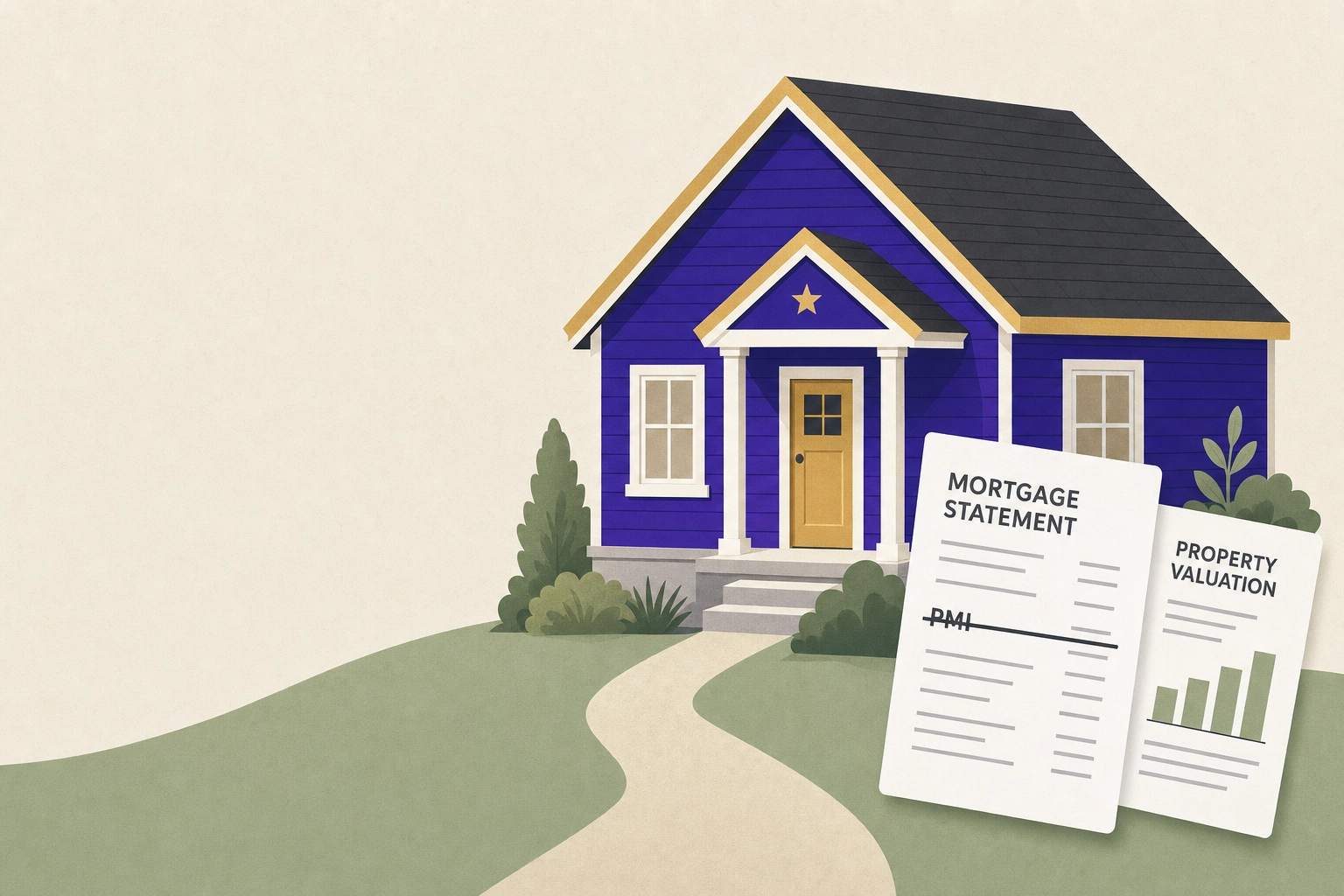
What Is PMI and How Can You Remove It?
PMI can help buyers purchase with less than 20% down, but it may not remain forever. Learn the cancellation rules and when refinancing may help.
When Does It Make Sense to Refinance Your Mortgage?
A lower rate does not automatically make refinancing worthwhile. Learn how to compare closing costs, monthly savings, loan terms, and the break-even point.